
Scheduling an eye exam can raise many questions. One of the most common is about the time commitment. How long does an eye exam take? Understanding the duration can help you plan your day better.
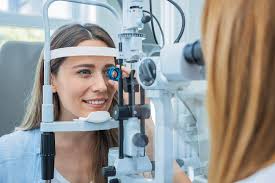

What to Expect at an Eye Exam
Eye exams are thorough and non-invasive. When you arrive, you will complete some paperwork. This typically takes around 10 to 15 minutes. The optometrist will review your medical history next. They may ask about your vision changes or discomfort. Sharing details is crucial for accurate assessment.
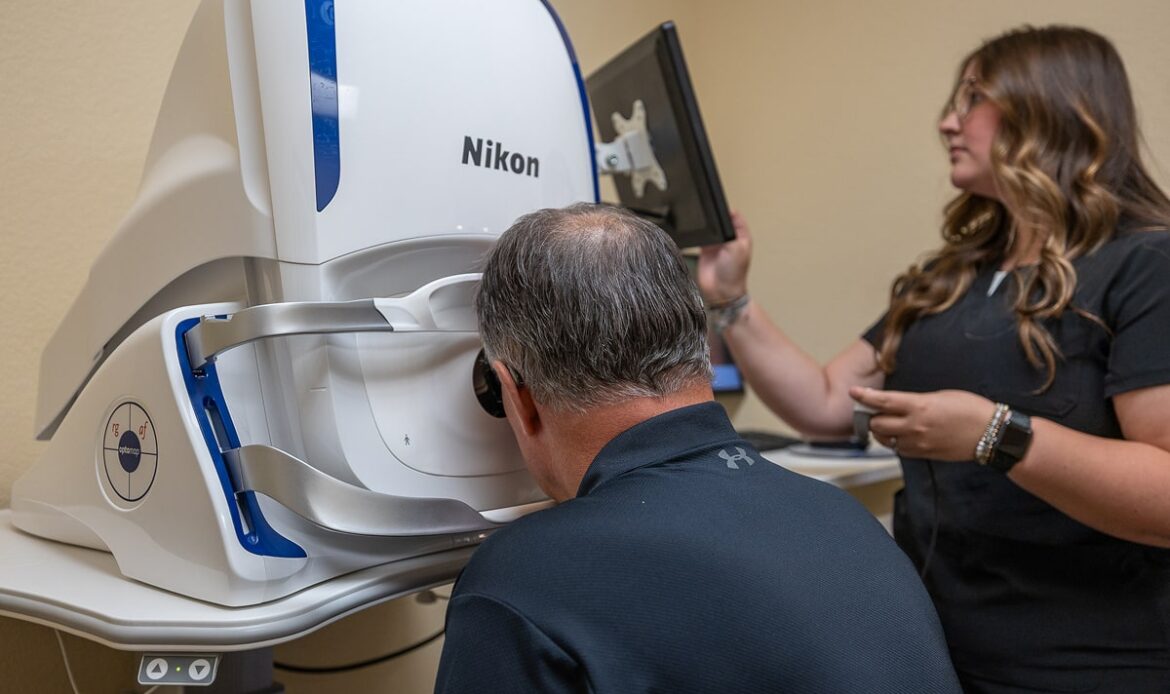
During the exam, several tests will be performed. These tests assess your vision and check for eye health issues. Each test has a specific purpose.
- Visual acuity test: Reading letters from a chart.
- Eye movement test: Tracking how well your eyes align and move.
- Refraction assessment: Determining your lens prescription.
Typical Eye Exam Duration: How Long Do Eye Exams Last?
The duration of an eye exam can vary, but typically it lasts between 30 minutes to an hour. This time frame accounts for standard procedures and any basic vision tests. Each patient's needs can influence the exam's length. Factors like your age, medical history, and specific vision concerns may add time. Routine visits often proceed faster than first-time exams.
- Initial consultation and history: 10-15 minutes
- Basic vision tests: 5-10 minutes
- Special tests (if needed): 15-30 minutes
Step-by-Step Breakdown: Eye Exam Process and Timing
An eye exam involves several steps, each contributing to the overall duration. Let's break down these steps and their typical timing.
- Phoropter: Measures lens power for glasses
- Retinoscope: Examines retina’s reflection
Eye Exams for Glasses: What to Expect and How Long They Take
Eye exams for glasses typically include additional tests. These exams often focus more on visual acuity and lens prescription.
- Lensometer: Verifies lens prescriptions
- Autorefractor: Measures how light changes when entering the eye
- Cover Test: Checks eye alignment
Factors That Affect Eye Exam Duration
Several factors can influence how long an eye exam takes. The complexity of your vision needs plays a significant role. More issues may require a longer time to test and address. Your medical history also impacts the exam duration. Conditions like diabetes may necessitate additional evaluations.
- Age: Children and seniors often need comprehensive tests.
- Purpose: First-time exams typically take longer than routine check-ups.
- Health Conditions: Pre-existing eye conditions require more detailed examinations.
Special Cases: Children’s, Seniors’, and Contact Lens Exams
Eye exams vary significantly for different age groups and needs. Children's eye exams, for instance, might take a bit longer. Young patients often need more time to feel comfortable with the procedure.
- Initial Eye Health Assessment
- Lens Fitting and Trial
- Visual Acuity Checks
Tips to Make Your Eye Appointment Smoother and Faster
Preparation is key for a quick eye exam. Arriving prepared can significantly enhance your experience and reduce time.
- Arrive Early to complete paperwork.
- Bring Your Prescription Glasses or Contacts.
- List Any Symptoms or Changes you’ve noticed.
Frequently Asked Questions About Eye Exam Duration
Exams for glasses can include extra tests, adding time to the process.
Some clinics offer express exams. These are shorter but might not be as comprehensive.
- Exam complexity
- New patient paperwork
- Additional tests
- Clinic efficiency
Key Takeaways: How Long Is an Eye Exam?
Understanding the duration of an eye exam helps in planning and preparation. Most exams take between 30 minutes to an hour, covering essential tests to determine your eye health and vision status. The time can vary based on specific needs and tests.
- Standard duration: 30-60 minutes
- Glasses exams might take longer
- Prepare questions ahead of time
- Initial paperwork can add time