
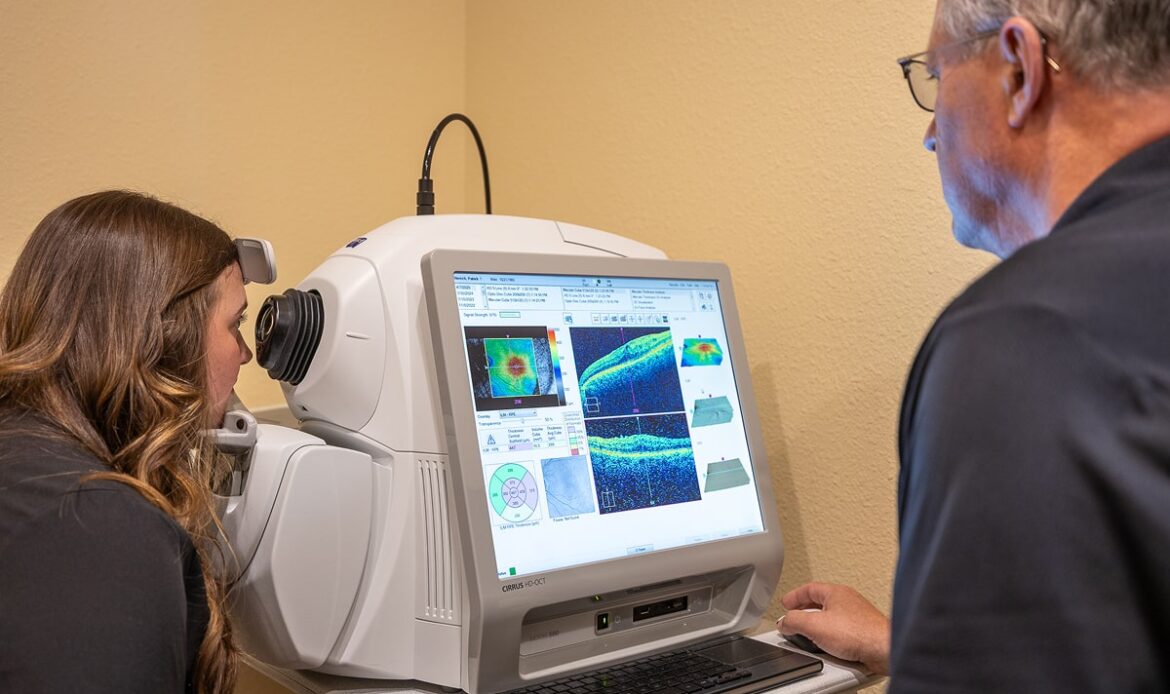
Understanding what retinal detachment is and recognizing its symptoms are crucial. Symptoms include sudden flashes of light, floaters, and a shadow over your vision. Taking precautions can help prevent retinal detachment or manage it if it occurs. Avoiding certain activities and making lifestyle changes are key steps. This guide will explore things to avoid with retinal detachment. It will also provide tips on how to prevent retinal detachment and maintain eye health. Stay informed and protect your vision by following these essential precautions.


What Is Retinal Detachment?
Retinal detachment is a condition where the retina peels away from its underlying layer. The retina is a light-sensitive layer at the back of the eye. It plays a crucial role in processing visual information. When the retina detaches, it can no longer function properly. This can lead to serious vision problems if not addressed quickly. The risk of permanent vision loss is high without timely treatment.
- Rhegmatogenous: Caused by a tear or hole in the retina.
- Tractional: Occurs due to scar tissue on the retina's surface.
- Exudative: Caused by fluid accumulation under the retina.
Common Symptoms and Risk Factors
Recognizing symptoms early is critical in addressing retinal detachment. Common signs include sudden floaters or flashes of light. Some people experience a shadow in their vision field. Knowing the risk factors can aid in prevention. Certain individuals are more likely to develop retinal detachment. These can help you assess your personal risk. Key risk factors include:
- High levels of myopia (severe nearsightedness)
- Previous eye surgeries or trauma
- Family history of retinal issues
- Age-related changes in the eye
Why Precautions Matter: The Importance of Early Action
Taking precautions can prevent severe vision loss. Retinal detachment can lead to permanent blindness if not treated quickly. Precautions and early detection work together to protect your sight.
- Increases the likelihood of successful treatment
- Prevents long-term vision impairment
- Reduces the need for more invasive procedures
Things to Avoid with Retinal Detachment
Avoiding certain activities can help prevent further eye damage. Physical strain can exacerbate the condition and worsen symptoms. Knowing what to steer clear of is key to managing retinal detachment.
- High-impact sports (boxing, basketball)
- Heavy lifting
- Strenuous exercise
- Avoid activities with rapid head movements
- Do not rub your eyes
Lifestyle Changes to Help Prevent Retinal Detachment
Adopting a healthy lifestyle can significantly reduce the risk of retinal detachment. Focusing on overall well-being supports your eye health in the long run. Simple changes in daily habits can make a big difference. Start by maintaining a balanced diet rich in essential nutrients. Vitamins A, C, and E, along with omega-3 fatty acids, promote eye health. Incorporate plenty of leafy greens, fish, and colorful fruits and vegetables into your meals. Managing chronic conditions like diabetes and hypertension is vital. These conditions can adversely affect your eyes if left unchecked. Regular check-ups with your healthcare provider can help manage and control these risk factors. Additionally, consider these lifestyle tips:
- Stop smoking
- Stay hydrated
- Avoid excessive alcohol consumption
Eye Care Tips After Retinal Detachment or Surgery
Post-surgery care is crucial for recovery and preventing further issues. Follow your doctor's guidelines closely to aid healing. Proper care helps in restoring vision more effectively. Rest your eyes and avoid strenuous activities. This includes heavy lifting and exercises that increase eye pressure. Protect your eyes from harm by wearing glasses as advised by your doctor.
- Avoid rubbing or touching your eyes.
- Follow medication schedules precisely.
- Attend all follow-up appointments.
When to Seek Medical Help
Knowing when to consult a doctor can preserve your sight. Immediate attention is vital if you notice any worrying symptoms.
- Sudden flashes of light
- New floaters in your vision
- Shadows over your field of vision
Frequently Asked Questions About Medicaid Eye Care
Retinal detachment happens when the retina peels away from its base. This can lead to severe vision problems.
Regular eye check-ups and maintaining eye health reduce risk. Avoid risky activities to prevent injury.
Medical treatments include surgery and laser procedures. Early detection significantly improves treatment outcomes.
Conclusion: Protecting Your Vision
Vision is a precious asset, requiring mindful care. Understanding retinal detachment and taking preventive measures can preserve your sight. By avoiding risky activities and adhering to recommended precautions, you can safeguard your eyes. Regular check-ups, a healthy lifestyle, and immediate medical attention when symptoms occur are vital strategies. Empower yourself with knowledge and protect your vision for a lifetime.