


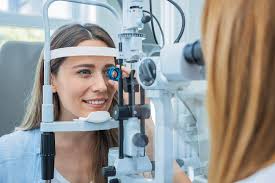
Finding Eye Doctors Who Accept Medicaid

Finding an eye doctor who accepts Medicaid can be challenging. Medicaid provides essential health coverage, including vision care, for eligible individuals. However, coverage details can vary by state, making it crucial to understand your specific benefits.
Many optometrists and ophthalmologists accept Medicaid, but availability often depends on your location. Knowing where to look and how to verify coverage can save time and effort. This guide will help you navigate the process of finding eye doctors and clinics that accept Medicaid. We’ll provide tips, resources, and tools to make your search easier.
Whether you’re a Medicaid beneficiary or a caregiver, understanding your options is key to accessing quality eye care. Let’s explore how to find the right eye care provider for your needs.

Understanding Medicaid Vision Coverage

Medicaid is a vital program offering health coverage to low-income individuals. It includes vision care, although the specifics vary by state. Recognizing these differences is crucial for accessing appropriate eye care services.

Coverage generally includes eye exams, but glasses and contact lenses are not always covered. Some states enhance benefits through the Children’s Health Insurance Program (CHIP). This provides extra services, especially for children.
Understanding your specific state’s coverage rules is essential. Contacting your state’s Medicaid office will clarify what benefits you have. Here’s what you might expect:
Some states have expanded Medicaid, enhancing adult vision care services. This can broaden your access to necessary treatments.
Vision care is a fundamental part of overall health. Regular check-ups can prevent issues, making Medicaid’s vision coverage highly valuable. Always verify what your plan covers to make the most of your benefits.

What Eye Care Services Does Medicaid Cover?

Medicaid offers valuable eye care services, although exact coverage can differ by state. Generally, routine eye exams are covered. These exams help detect early signs of issues such as glaucoma or cataracts.

Some states go beyond exams, covering additional vision-related services. These might include glasses or contact lenses. However, coverage for these services isn’t universal. It’s wise to check with your state’s Medicaid office for details.
Apart from regular exams, Medicaid may cover specific treatments for eye health. These can include:

It’s important to remember that children’s vision care is often more comprehensive. Many states provide extended benefits under CHIP. This means broader coverage for exams and corrective eyewear for kids. Always verify your state’s Medicaid guidelines to understand your entitlements. This ensures you receive necessary and timely care.

How to Find Eye Doctors That Accept Medicaid

Finding an eye doctor who accepts Medicaid can feel daunting. Start by contacting your state's Medicaid office. They can provide a list of local providers.

Online directories can also be helpful. Websites like Zocdoc or VSP’s Eye Doctor Directory may list Medicaid-friendly practitioners. Enter your location and Medicaid coverage to filter results. Another option is to reach out to community health centers. These facilities often accept Medicaid. They may have eye clinics that cater to low-income patients.
When you’ve narrowed down potential providers, call their offices. Confirm that they accept Medicaid and understand what services are covered. This prevents surprises during your visit. Here are some steps you can take:
Lastly, if you have a Medicaid Managed Care Plan, check its network. Some plans have a specific network of providers. Ensure your chosen eye doctor is in-network to minimize costs. Don’t forget to:
Taking these steps ensures you find a Medicaid-accepting eye doctor. Comprehensive research and preparation can lead to better care experiences.

Tips for Scheduling and Preparing for Your Appointment

Scheduling an appointment with an eye doctor can be straightforward. However, a few tips can make the process smoother. First, try to book well in advance.

It’s crucial to call ahead to confirm Medicaid acceptance. Verify both the acceptance of Medicaid and coverage specifics. This prevents surprises during the visit.
Consider writing down any questions you have. Questions about Medicaid coverage or your eye care needs are essential. Bringing these can streamline your appointment.
Here’s a checklist to help you prepare:
Finally, be prompt. Arriving on time ensures a less stressful experience. This preparation can lead to a successful and smooth appointment.

Resources and Tools to Locate Eye Clinics That Accept Medicaid

Finding an eye doctor who accepts Medicaid can seem daunting. Thankfully, several resources can make this easier. Start with your state's Medicaid office.

State Medicaid websites often list providers. They can help identify available eye care professionals nearby. It’s a reliable first step.
Online directories are valuable too. Websites like Zocdoc offer a search tool for Medicaid-accepting doctors. Another option is VSP’s Eye Doctor Directory. Community health centers can be great resources. They often serve Medicaid patients and provide eye care services. It’s worth exploring these centers in your area.
Here are some resources to consider:

Additional tools include:

Utilizing these tools can help you find the right care efficiently. They simplify the search for Medicaid-accepting eye clinics.

Frequently Asked Questions About Medicaid Eye Care

Many have questions about Medicaid and eye care. Here are some common ones addressed. Understanding these can help make informed decisions.
No, not all do. It's best to verify with your doctor before scheduling an appointment.
Medicaid often covers eye exams, glasses, and contacts. Specifics can vary by state.
Contact your Medicaid plan provider. They can detail covered services and any required copays.
Below are other common inquiries:
  • Do vision benefits vary by state?
  • Can children access more vision services?
  • Is there a network of providers I must use?
Getting these questions answered can lead to better care experiences. Do reach out to your state's Medicaid office for more personalized help.

Conclusion: Taking the Next Steps for Your Eye Health

Finding eye doctors that accept Medicaid is essential for maintaining eye health. Use the resources and tips shared to locate a suitable provider.

Remember, regular eye exams are vital. They help detect issues early and keep your vision sharp. Prioritize your eye health by staying informed and proactive.

Family Optical Eyecare

Proper eye care is important for preventing vision problems, diagnosing conditions early, and preserving eye health throughout life. Good eye care can help reduce the risk of eye diseases.


Contact Us

Monday-Friday 8:00 am - 5:00 pm

1420 North Ave, Suite 1, Spearfish SD 57783

EMAIL: familyoptical5@gmail.com


BOOK AN EYE EXAM